
You Always Have a Choice
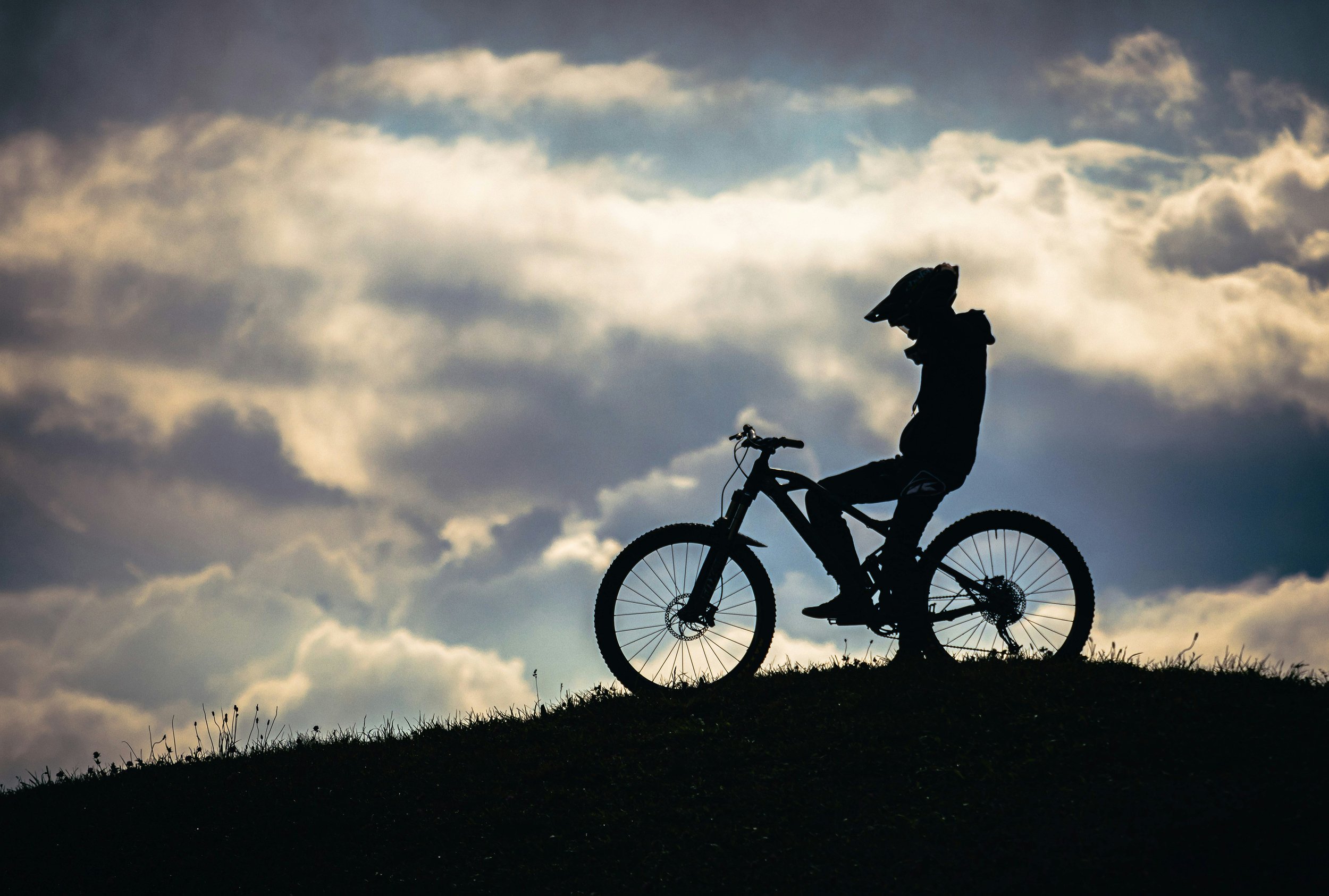
Picture yourself at 10 or 11 years old. An older kid walks into the room, say, 17 or 18 years old, and catches your attention. They're "cool." You can tell right away from how relaxed they are working their way through the room. They greet people warmly with smiles, laughs, and some back-slaps.
They catch your eye, and you look away because you realize you've been staring and feel embarrassed. You keep your eyes turned down, not wanting to catch their attention again, fearing they might have noticed you...which would be horrifying, of course.
"Hey," you hear a voice say. You look up and your heart drops. The cool kid is talking to YOU. They smile warmly and ask your name. You smile back and say your name...shyly and quietly, of course, because you're talking to a "cool older kid." They smile again and say, "That's a cool name! And those are cool shoes too!" They give one more smile and then walk away.
For that cool older kid, they carry on with their day and have no idea of the impact those two sentences have had on you. To them, it was a simple, unintentional gesture.
To you, though, something big happened. A cool kid noticed you. A cool kid was kind. And a cool kid likes your shoes! Those just became your FAVOURITE shoes.
This scenario played out for me when I was a kid. It wasn't exactly like this, of course, but something like it.
And in my story, the cool kid's name was Luke.
Luke worked for my dad, and Luke liked to mountain bike. AND...he was really good at it.
Naturally, I decided to start mountain biking too, and I fell in love. It quickly became one of my favourite things to do, and by 12, I started to ride with members of the staff at the shop who were between 16 and 30 years old. Riding with older staff, it turned out, forced me to learn to go really fast just to keep up. I quickly went from being the boss' annoying son who always wanted to come riding to another one of the cool kids who was actually really fast.
To this day, I still ride, and it is still one of my favourite things to do (along with just about anything behind a ski boat). I even race a little bit (as I shared a few weeks ago).
Over the years, I've had dozens of crashes, my worst resulting in a bad concussion, a broken bike helmet, and a busted collarbone. There have been other concussions, sprains, cuts and bruises, but I consider that part of the fun. You push yourself as hard and as far as you can (within reason), and sometimes that means you get a bit banged up. I wear those scars, chipped teeth and crooked bones as badges of honour.
Every time I crash, though, one person comes to mind.
Luke.
I keep getting up from these crashes, saying a few quiet words of gratitude that I'm OK and that I get to keep on riding.
Because Luke, on the other hand, doesn't get to ride anymore. He hasn't since 2002.
Luke liked to push himself, just like I do, albeit to an entirely different level. Riding out in British Columbia, he attempted to jump a 25-foot gap and didn't make it. He landed head-first, breaking his neck, and required a daring, tree-clearing rescue to be safely removed from the forest.
Luke survived, but now spends his days in a wheelchair. He lost the use of his arms and legs and requires support and consistent care to live each day.
I remember seeing Luke in a long-term care facility a year or so after his crash. I remember not knowing what to say and feeling really awkward about the visit. I didn't want to do or say the wrong thing. Immediately after arriving, it was like he sensed it, and Luke was trying to make ME feel more comfortable. He was energetic, positive, and as vibrant as he'd always been. I couldn't believe it.
There's something special about the kind of person who would go out of their way to make a young kid feel seen; it turns out that a life-changing bike crash can take a lot away, but not THAT.
A long time went by between that visit and our most recent conversation, and when we spoke again and I shared that story, I asked him a question that I'd held onto since that visit.
"Weren't you ANGRY? Bitter? Depressed? I crash my bike all the time, but I get to keep riding. This was totally unfair. How didn't it make you go crazy?"
He appreciated the question and shared that he was all of those things. Angry, bitter, depressed...and he still is. He still feels those feelings on an almost daily basis. But at some point during his recovery, he saw that since he didn't die from that crash (although he really should have), he had an opportunity that he never consciously thought about before. He had a choice.
He could choose to let himself be all of those things, or he could choose to accept those feelings and make something good from the situation he was in. To turn those feelings into action and do something positive with it.
As someone who had been able-bodied and active, suffered an injury and became disabled, Luke had a unique perspective as someone who never thought about mobility issues and then became directly impacted by them as part of his everyday life. He could use that unique perspective to help reach more people like him by making accessibility fun, colourful, and joyful instead of awkward and taboo.
True to form, nine years after the crash, Luke co-founded StopGap, a foundation aimed at making communities more accessible for anyone who is experiencing challenges with mobility. They've done amazing work already and are just getting started. You should check it out.
Luke took a horrific situation and turned it into something good. He's making accessibility cool.
There isn't a person in the world who will go through life without facing a crisis that changes the course of their life in some way. The magnitude of that crisis isn't what's important. For each of us, the impact is relative to our situation in life, so one crisis can't be compared to another. Some will be life-changing, and some will merely be eye-opening, or life "nudging."
I've faced my own crisis, have faced a number of "mini-crises" since then, and I have no doubt there will be more to come. But knowing Luke and seeing the hurdles that he's overcome has changed how I think about what I might do when that next crisis hits.
Those feelings of anger and grief, and feeling like life is unfair, will all come. But what I take from Luke's story is that we have a choice.
Good things will happen, and bad things will happen in all of our lives. The point is that as long as we're alive, we have a choice.
Staying stuck in anger, grief and blame is a choice, and for so many people, it is the best they can make given the situation they're in.
But action is another choice. Speaking from some experience myself, I will say that it is the harder one. But it is the only one that moves you from being stuck to...well...somewhere else.
Hear Luke tell his story.
We recently chatted with Luke for an incredible conversation about the accident that changed his life, the choices he’s made since, and the work he’s doing to make the world more accessible through StopGap.