
What Are You Encoded For?
We've all lost ourselves in an activity before. Time disappears. Two hours vanish and we don't feel a single minute of it.
I've thought of this as the goal, and even proposed doing an activity like this in a previous post.
Understanding the activities that energize us is so important so that we can create more space for them. Right?
Well... sort of. I've come to see that's only half right.
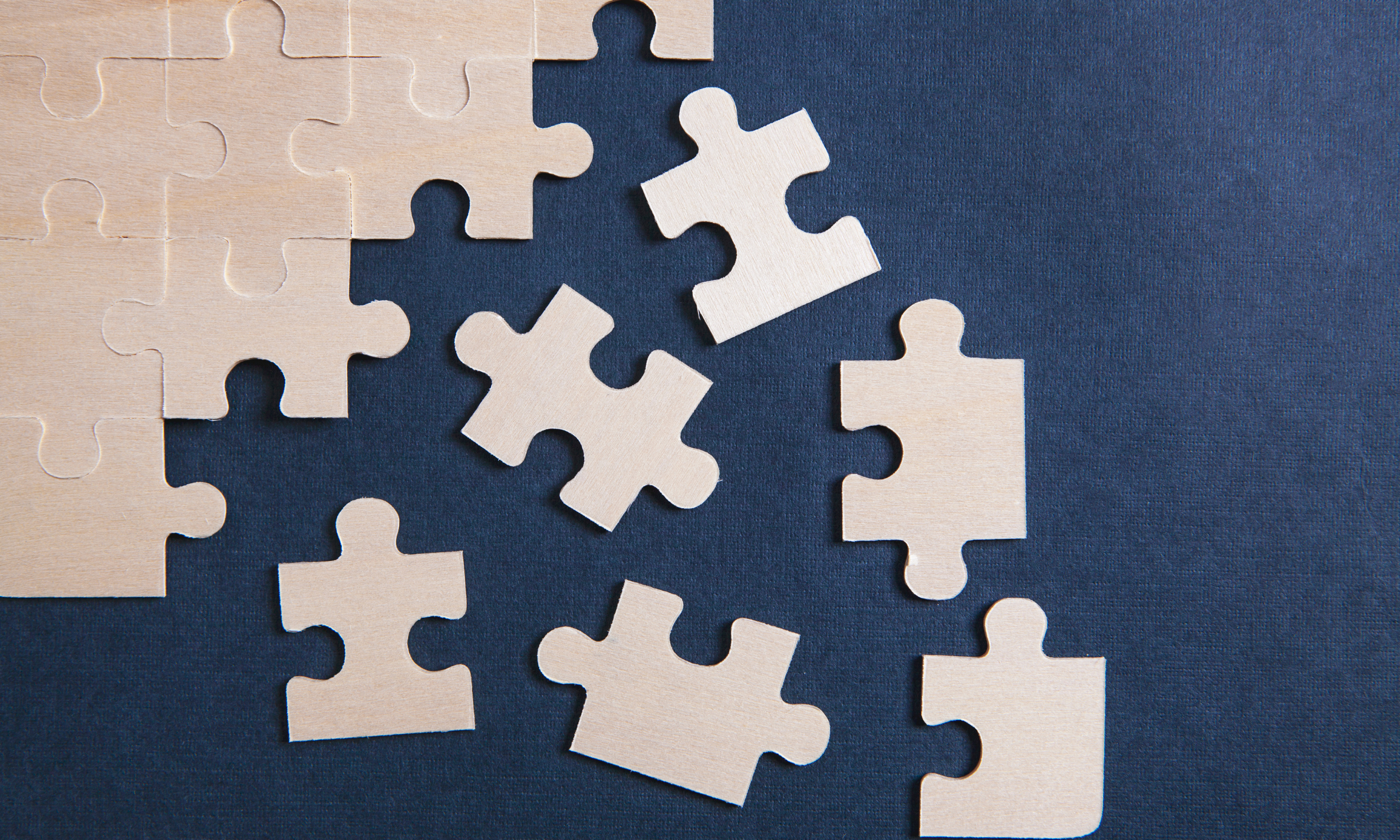
Here's an example. Let's say you lose yourself building a puzzle. You spend 1, 2, or (to your partner's dismay) THREE hours building your puzzle in blissful, focused silence. For the record, this is not a hypothetical example. Whitney is the puzzler. I am the dismayed partner.
The joy you get from building puzzles might lead you to conclude that you were built to puzzle. But the reality is that you're probably not encoded to be a great "puzzler" (although... maybe you are). The thing that you're uniquely encoded for sits UNDER that.
"Encodings" from Jim Collins' book What to Make of a Life is something that I've become deeply interested in and can't let go of.
I say interested... Whitney might say obsessed.
An encoding is an ability you are born with, and each of us has a number of them. Our combination of encodings is unique, and they aren't necessarily things you do the best in the world. Rather, they are the thing (or things) that you can do better than OTHER things you might otherwise do.
When we do things we're encoded for, that's when time evaporates and we're energized, even after hours spent at it.
Here's the trick: An encoding typically isn't an activity. Encodings sit within an activity and can disguise themselves, making them harder to see.
Collins would suggest that a person who loves to puzzle wasn't necessarily born to puzzle. Rather, they have a set of encodings that makes puzzling a good fit for them. Their encodings might be something like deep attention to detail. Problem solving. Long stretches of quiet, focused attention. Puzzling is just the container that happens to hold all three.
If you are asked what you're good at, you'll likely respond with something that you do:
"I'm good at hockey."
"I'm good at leading teams."
Once again, these are activities, not encodings.
Dig just one layer down and you will see that being good at hockey might actually be an encoding for seeing the big picture (noticing a play develop before it happens). Being good at leading teams might actually be an encoding to stay calm under pressure.
What's so exciting about this idea is that once you figure out what some of your encodings are, you can find a way to intentionally invest more time doing them.
I spent years building a career doing things that people told me I was good at. It worked for a long time. I earned a good living and built a reputation in the industry I worked in. But it also kept me from exploring what I was uniquely good at and what energized me.
For me, it was 15 years of building a career that kept me from taking a step back to discover my encodings.
What's stopping you?