
Care Gives You An Edge
We’ve paid over $12,000 in hydro bills over the past 5 years we’ve lived in our home.
But…we missed a bill payment last month. We were in full summer swing, and I (Greg) simply forgot to check my balance and send in the payment.
This is rare, but it happens.
As of this writing, it’s September 3rd. The bill was for $201, due on August 20 (14 days ago).
Earlier in the day, we saw mail from Enova, our hydro provider. Title: “Electric Service Disconnection Notice.” Here’s a paraphrase of what it said:
“If the outstanding $201 isn’t paid by September 18th, we’ll send someone to your home to shut off your power.”
Our opinion: This feels a little heavy-handed. We rushed to pay it right away. But for the first time in years, we resented paying it.
We’ve decided we don’t like Enova Power Corp. If we could switch providers, we would.
We’ve been having a conversation with our friend Jim Moss about an observation he’s made about ‘care’ and how it shows up in human relationships, but also in how humans interact with systems. The observation led to deep research, which has been translated into a framework that can transform how we think about the way ‘care’ shows up in the world.
Jim articulates it like this: there’s an invisible thing living underneath every human interaction. We can all sense it, even if we can’t name it. That thing we can’t name is CARE, and it shows up in three ways:
CARE: When we’re intentional and present with someone, we’re investing CARE. Among its many types of value, care builds relational trust.
CAREFUL: When we’re cautious and mindful in an interaction we’re unsure of, we’re being CAREFUL. Trust can hold here, but it’s transactional, so it neither grows nor declines.
CARELESS: When we’re distracted, moving fast, or operating at scale, we can act in a CARELESS way. This is usually not malicious, but it is almost always harmful. Carelessness erodes trust and can break a relationship.
This has given us a sharper lens on a lot of things we see every day.
Enova isn’t an evil company run by an evil leader twirling their evil moustache, trying to keep all of the electricity just for themselves. But they acted CARELESSLY, and that carelessness caused real harm to us as their customer. It resulted in a terrible customer experience, and now we’re looking for an exit.
We’ve all had experiences like this.
But now, contrast that with a business where you’ve felt cared for. A time you were delighted. It seemed like everything was specific, and you felt intention in every interaction.
Using Jim’s lens, we’ve come to see that care is what makes Whispering Springs such a special place.
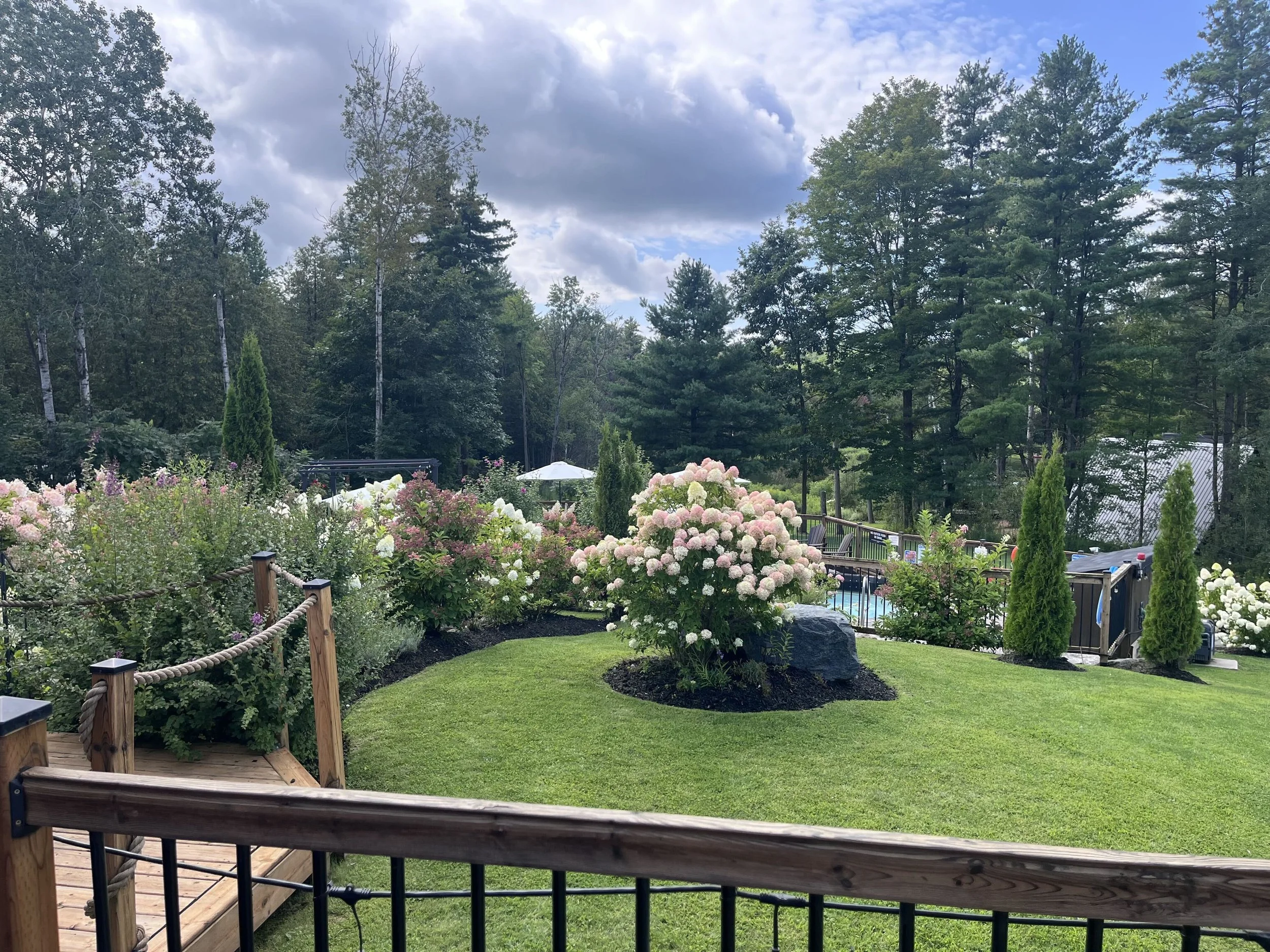
The moment we step onto the grounds, we exhale. Ice water at reception, mint leaves floating in the jug. Someone takes five minutes to walk you through a hand-drawn map of where we’ll be staying. From the landscaping to the pre-stacked logs on your campfire when you arrive, every detail is intentional. We’re sad every time we leave, and we keep going back. If they opened a second location, we’d be first in line.
Here’s the genius in what Jim’s put his finger on: CARE is invisible, but it’s a currency, or a form of capital. It underpins every interaction we have, and in business, it’s not subtle. It’s explicit.
Every entrepreneur and creator we’ve worked with CARES DEEPLY about what they’re building. The reality is, no one cares about your thing more than you do. Care is not something to ignore. It’s a foundation you can build an entire business on.
It is worth saying that not every single thing in a business requires an investment of care to set it apart. But part of building something exceptional requires identifying what deserves your full attention and applying care where it will have the greatest impact.
Whispering Springs has done it. We’re trying to do it. And so is every founder and creator we’ve had the chance to work with over the past two years. The same advantage can extend beyond business, and with a little intention, we can all get better at it.
So here’s the question worth sitting with: think about the last interaction you had with a customer, a teammate, or your own family. Were you CARING? CAREFUL? Or CARELESS?
And if it wasn’t caring, what is that costing you in your relationships or in your business?
And then…is it worth doing something about it?